
Orthodontics is a function decision.
A straighter smile is the visible result. The reason to treat is underneath it — how the bite distributes force, how the jaw joints carry load, how the airway is shaped, and whether the whole system holds up over decades.
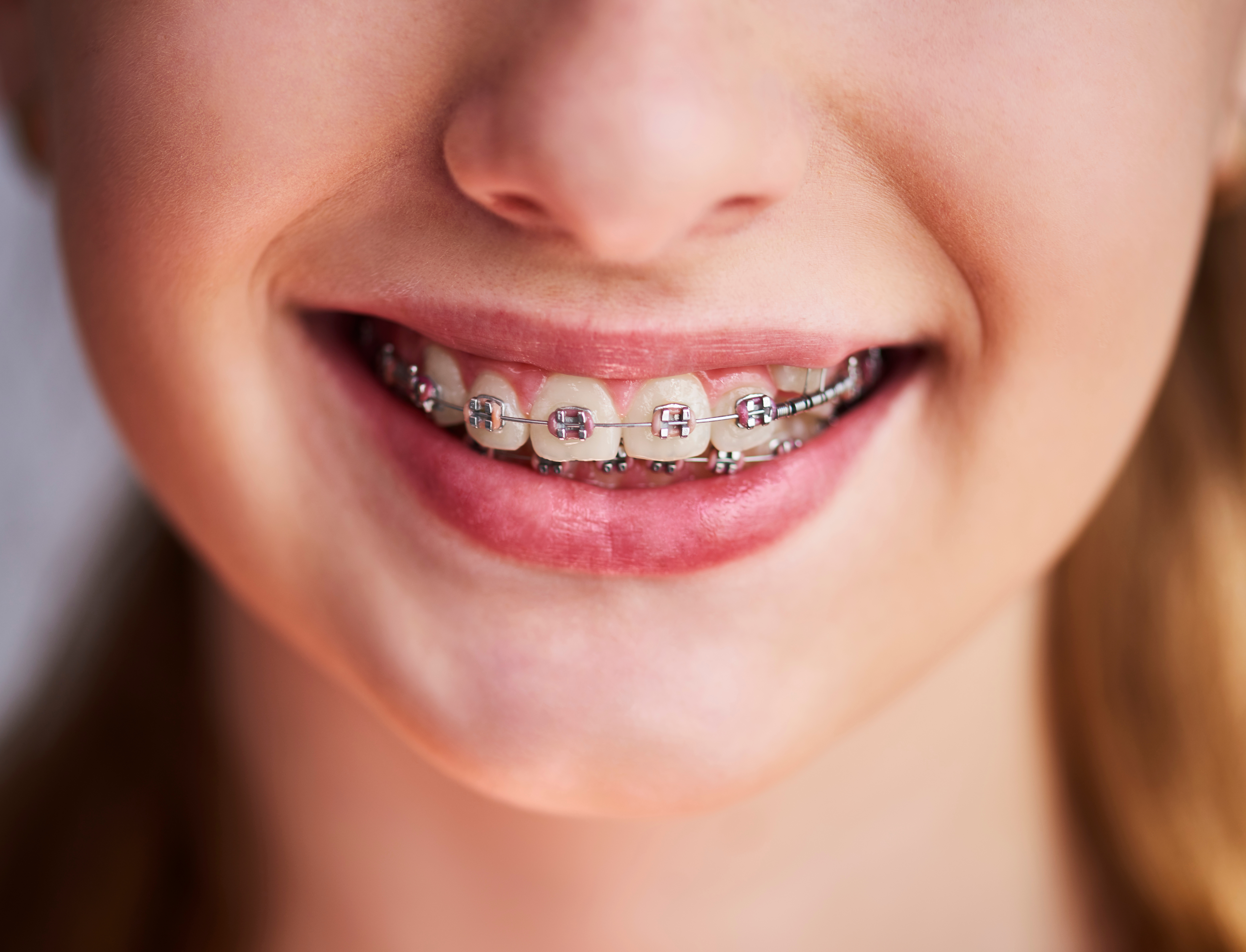
The mouth is one system — move one part, the rest responds.
Hard tissue and soft tissue work together. When a single component sits out of place, the effect doesn't stay local — it shows up in wear, in the joints, in the airway, and in disease risk.
Misaligned teeth are rarely just a matter of appearance. They change how teeth contact, complicate cleaning, and shift load onto structures that weren't built to carry it. Treating them is less about how the smile looks and more about keeping the mechanics of the mouth working the way they should — for years, not for the photo.
That is the lens at NRH Orthodontics: every plan starts from function, airway, and long-term stability, and the cosmetic result follows from getting those right.
Four reasons that aren't cosmetic
Each of these is a clinical outcome, not a preference. Left alone, an untreated bite tends to cost more to fix later than to correct now.
A bite that meets wrong wears out early
When teeth don't contact evenly, chewing force lands where it shouldn't. Enamel — the layer that protects everything underneath — grinds away unevenly, opening teeth to decay, chips, and fractures that later need restorative work to hold.
Malocclusion strains the jaw joints
A misaligned bite forces the temporomandibular joints and their supporting tissues to compensate. Sustained, that strain develops into TMD — jaw dysfunction, orofacial pain, and difficulty eating that is far harder to unwind than to prevent.
Structure connects to how you breathe
Jaw position and arch width shape the airway. In children especially, a narrowed airway can disrupt sleep and, downstream, affect focus and behavior — which is why every workup here includes a CBCT airway evaluation, not just a look at the teeth.
Aligned teeth are teeth you can actually clean
Crowding and overlap create contact patterns a brush and floss can't reach. Properly spaced teeth and a healthy occlusion measurably lower the risk of periodontal disease and decay — and the cascade of treatment that follows them.
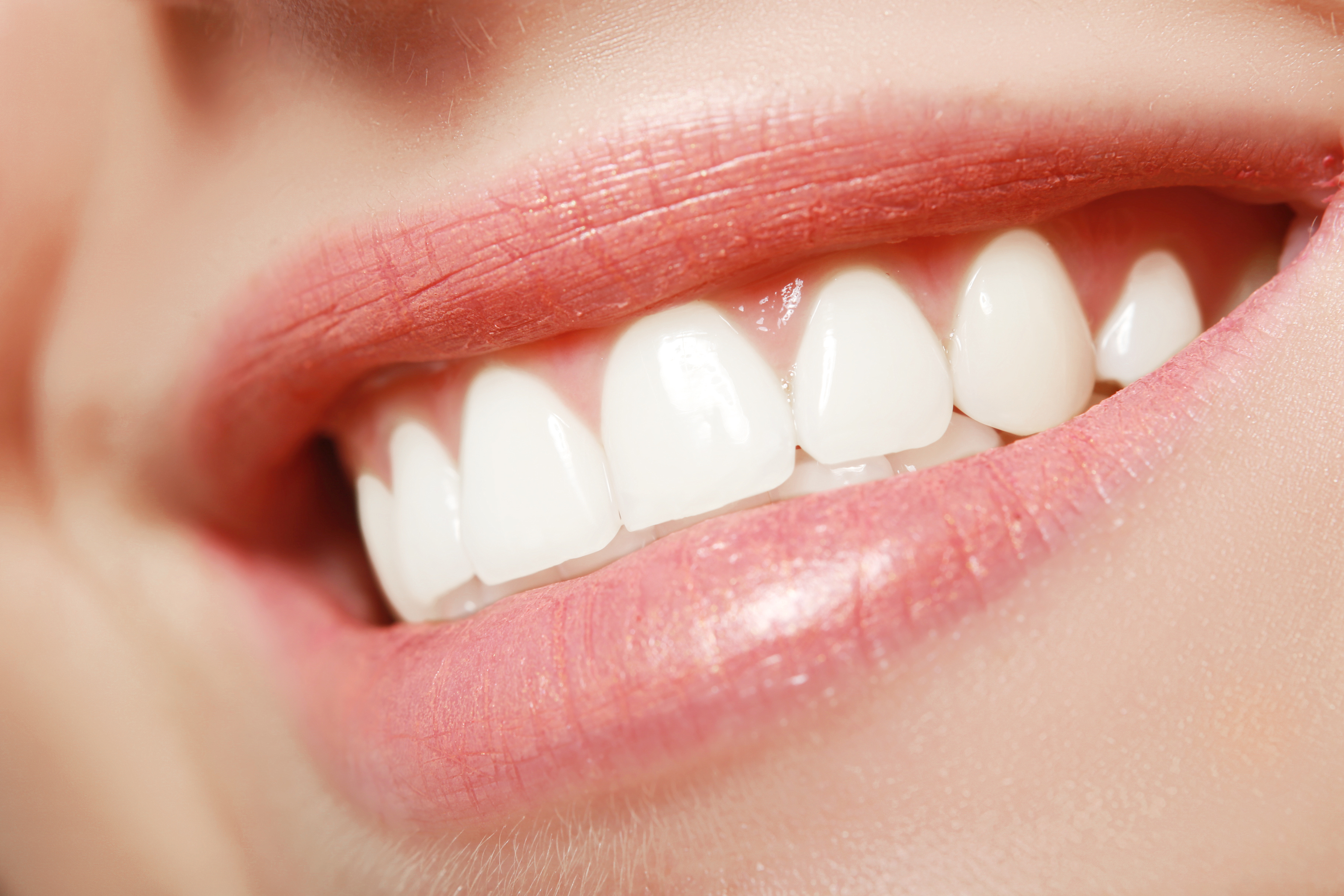
Stability is the real endpoint.
A result that relapses isn't a result. The goal is a bite that stays corrected — which depends as much on diagnosis and planning as on the appliance.
Good tooth movement is the easy half. Keeping teeth where they were moved — and making sure the bite that results is one the jaw joints and airway can live with — is where a specialist's diagnosis earns its place.
That is why treatment here begins with a full workup: 3D imaging, a CBCT airway evaluation, and a plan you understand before anything starts. The mechanics are chosen to hold, not just to look right on the day the appliance comes off.
What a plan accounts for
Go deeper
Airway Evaluation
The CBCT airway screening included in every intake, and why it matters.
Invisalign®
The aligner-first model built for complex cases, monitored weekly by Dr. Fallah.
Children & Teens
First evaluation by age 7 — bite, growth, and airway caught early.
See every treatment area on the services index.

09 — Intake
Begin with an evaluation.
Your first visit at NRH Orthodontics is a full evaluation — CBCT airway screening included — and a treatment plan you understand before you commit to anything.
Accepting new patients — North Richland Hills, TX